Guides
Flooring contractor equipment and setup in buying order
Flooring contractor equipment and setup in the order failure arrives: meters, cutting and fastening, preparation, the van, upkeep and theft cover.
What to take away
- Decide each purchase by what fails without it, not by what looks best on a website. Meters and a straightedge come before any machine.
- Preparation equipment, not installation tools, is what turns a bad substrate from a loss into a billable line. Rent it until the machine is busy.
- Buy a grinder when recovered contribution covers ownership with room to spare, not when the machine is on sale.
- Ownership includes upkeep and theft cover. A machine that dies mid-job costs more than the machine.
The buying order for a business with one crew
Fund the list in the order that failure arrives, not in the order of what looks best on a website. Meters, cutting and fastening come first, then the fitting tools that speed a real day, then preparation equipment once you quote preparation as a line, then the second vehicle.
Meters come before any machine because readings taken before installation are your only defense when a floor fails. Nobody wins an argument about a cupped floor from memory. The reading you took and wrote down before installation is the argument.

- Moisture meters, a straightedge, and measuring tools you trust.
- Cutting and fastening tools for the products you install.
- Fitting tools that speed a real day.
- Preparation equipment, once you quote preparation as a line.
- The second vehicle.
Tier one: buy before the first job
Tier one is what you cannot install without. The moisture meters for wood are the first purchase, with the equipment for the concrete test method your product instructions name, usually an in-place relative humidity probe kit (ASTM F2170) or a calcium chloride kit (ASTM F1869).
- A long straightedge for checking flatness against the tolerance in the installation instructions, plus shims or a feeler method to record the gap you find.
- Measuring tools you trust, and a way to record dimensions that survives the trip back to the office.
- Cuttinga table saw or track saw for planks, a miter saw for trim and stairs, quality utility knives and blades for resilient goods.
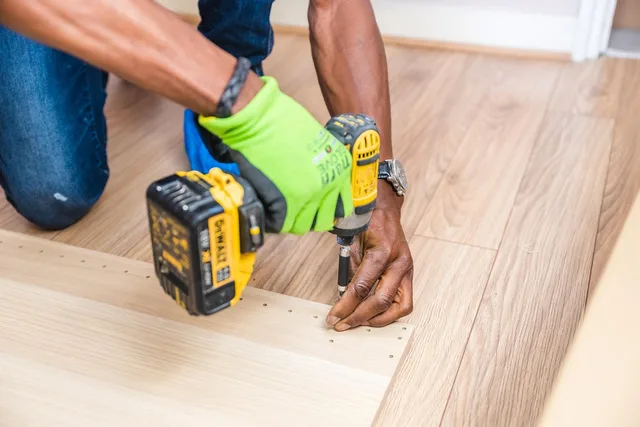
- Fasteninga flooring nailer or stapler for wood, a construction stapler for pad, hand tools for tackless strip.
- Fittingan undercut saw for door jambs, a jamb chisel, pull bars and tapping blocks, a knee kicker and power stretcher for carpet.
Tier two: preparation, rent first and buy when it is busy
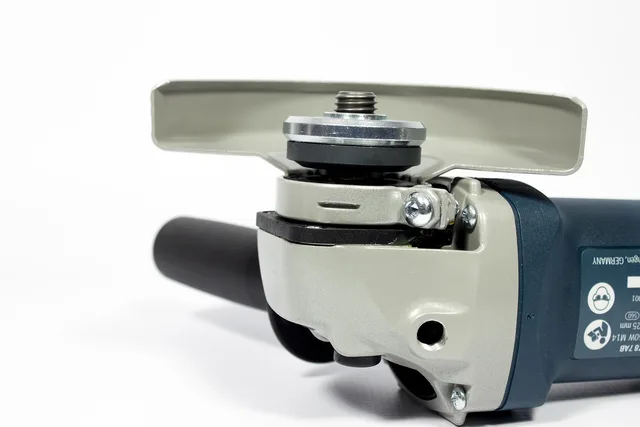
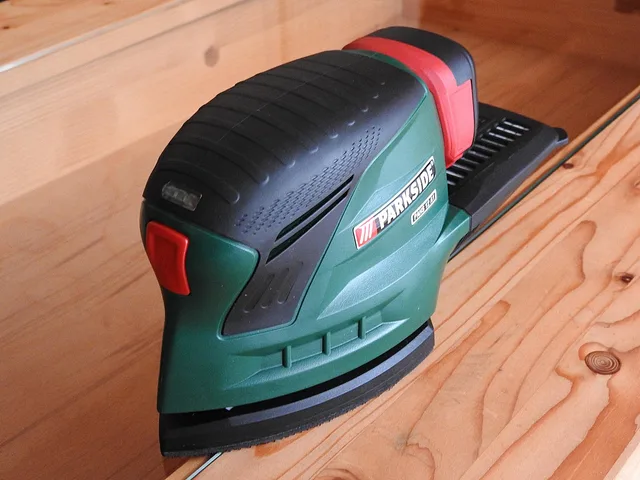
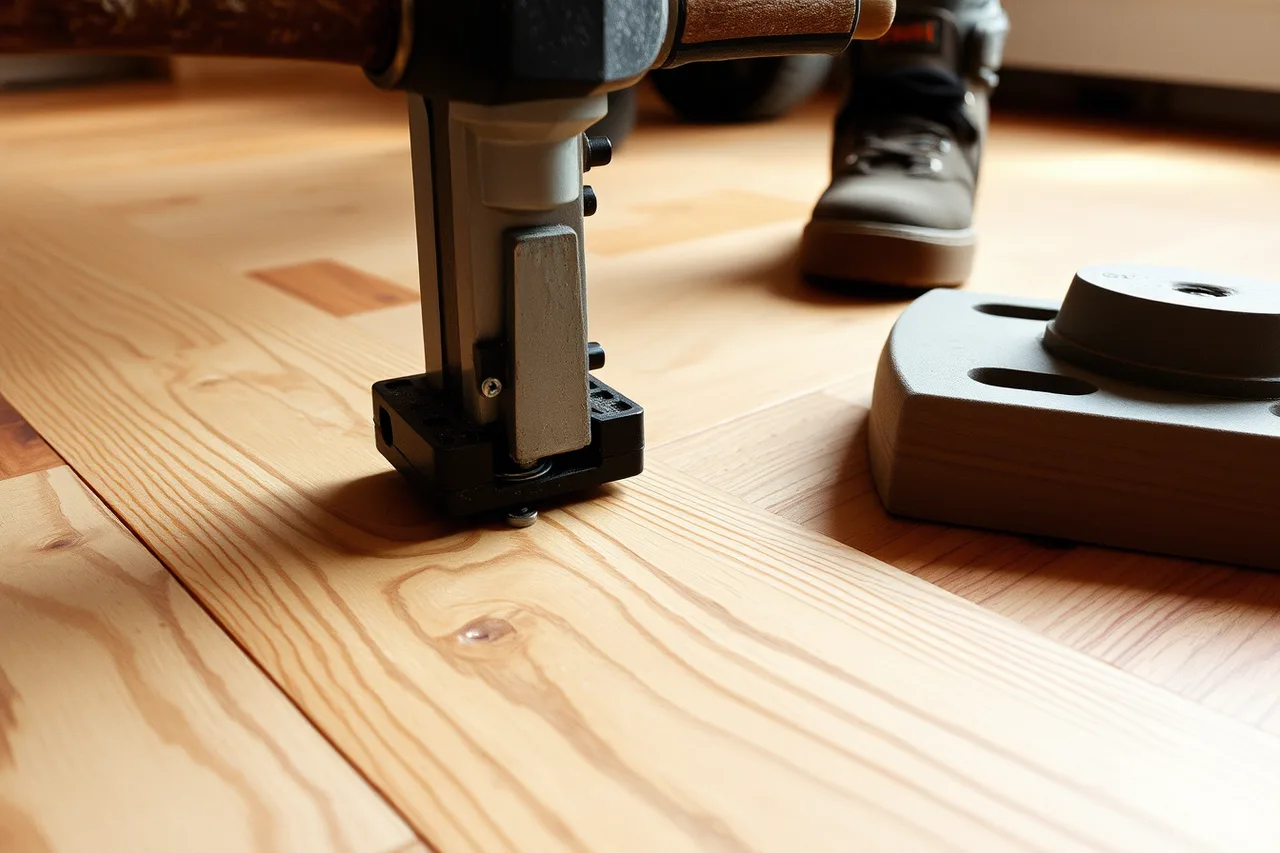
Preparation equipment lets you sell substrate work instead of absorbing it. That means a concrete grinder with the right tooling, a scraper for old adhesive, a mixing paddle and drill or a pump for leveling compound, and vacuums with the filtration the work requires.
Renting is the right answer until the machine is busy. Rental keeps cash free and forces you to price the rental into the job, which is a habit worth keeping after you buy. The new against used equipment costs page covers the other half of the choice.
Add moisture mitigation materials only once you know which products the manufacturer accepts under the floor you install.
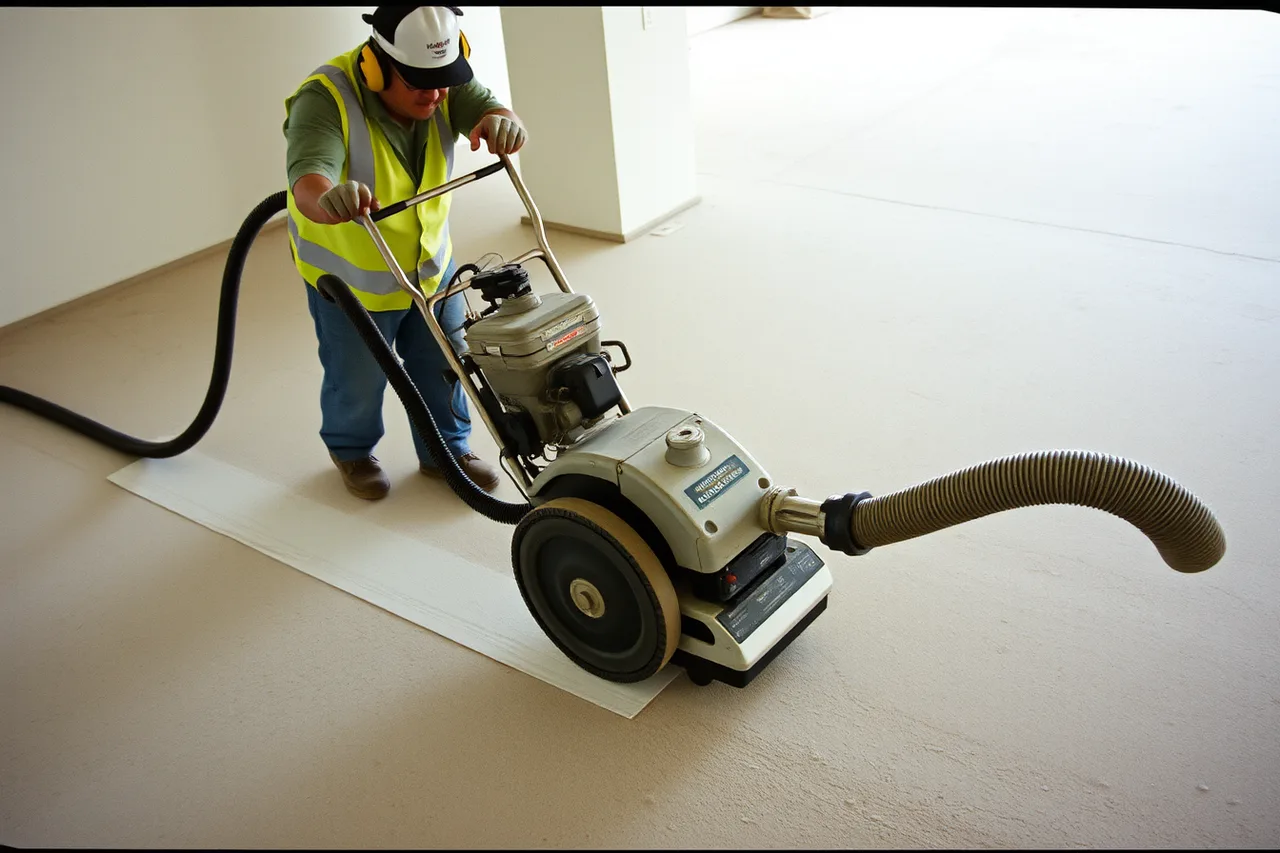
The hazards concentrate here. Cutting and grinding concrete generates respirable crystalline silica, which is controlled with water or vacuum dust collection, not a dust mask alone. OSHA lists sawing brick or concrete and grinding mortar among the activities that expose workers to that dust.
OSHA's silica standard for construction, 29 CFR 1926.1153, sets out the controls for tasks such as these, so price the extractor and the training into any grinding line.
Adhesive removal in a closed room needs ventilation. In an older building, old resilient tile and black cutback adhesive may contain asbestos. Suspect material is sampled and tested, never sanded, ground or dry-scraped. OSHA's construction asbestos standard, 29 CFR 1926.1101, applies once it is disturbed.
Deciding whether to buy a grinder
Count last quarter's crew days with grinding and the days you subcontracted or declined for lack of the machine. Multiply the declined days by the contribution a properly quoted preparation day earns.
Compare that to the monthly cost of owning the machine, plus tooling and the vacuum and filters it needs to run safely. Buy when recovered contribution covers ownership with room to spare, not when the machine is on sale.
If the sum does not cover it, rent, and price the rental into the job. If a job needs the machine and you have neither bought nor rented it, decline the job or subcontract the preparation rather than absorb it.
Tier three: the vehicle and the shop
Material is fragile in ways that surprise new owners. Planks bend, carpet crushes, and sheet goods crease along a fold. Anything left in a cold van overnight, then installed the next morning, has not acclimated.
The vehicle needs racking that keeps rolls off the floor, a flat deck for boxes, and enough tie-down points that nothing shifts.
The shop, however small, needs four zones. Conditioning space is not optional if you install wood or anything else with an acclimation requirement, because the instructions expect material to reach service conditions before installation.
| Zone | What lives there | The failure it prevents |
|---|---|---|
| Conditioning | Material awaiting installation | Cupping, gapping and shrinkage from unacclimated goods |
| Tool and consumable | Blades, adhesives, trowels, fasteners | Crew hours burned on a supply run |
| Charging and maintenance | Batteries, filters, abrasives, service log | A machine dying mid-job |
| Administration | Job files, readings, certificates | A dispute with no record behind it |
Keeping what you buy running
Maintenance schedules belong on paper, because a machine that dies mid-job costs more than the machine. Four intervals are enough.
- Dailyfilters checked on any vacuum used for dust control, blades replaced rather than pushed, batteries on charge before the van is locked.
- Weeklygrinder tooling inspected, nailer serviced, stretcher and kicker checked, straightedge checked for straightness against a known reference.
- Monthlymeters checked against their calibration reference or the manufacturer's stated check method, since a meter that drifts silently is worse than no meter.
- Per joba short entry noting which machines ran, what consumables were used, and anything that needs attention before the next job.
That per-job entry is also your cost data. The IRS says good records help keep track of deductible expenses and of your basis in property, so consumables and wear belong against the job that used them. Without it, preparation-heavy work looks unprofitable when it was simply uncosted.
When the van is emptied overnight
Tool theft is an operating risk in this trade, and the businesses that recover quickly are the ones that prepared for it before it happened.
- A written inventory with make, model and serial number for every powered tool, updated when anything is bought or retired.
- Photographs of the loaded van and of each machine, stored somewhere that is not the van.
- Receipts filed against the inventory, since a claim moves faster when ownership is documented.
- A minimum kit that can be replaced same day from a local supplier, so a crew is not idle for a week.
- Overnight parking rules that the crew actually follows, and a habit of unloading high-value machines.
- Your insurer's position confirmed in writing on tools in a vehicle overnight and tools left on a jobsite, because the two are often treated differently. Ask whether tools sit under an inland marine or tool floater policy.
Rebuild the inventory list from the same document you use for maintenance. One list that records purchase, service and serial number does three jobs, and a crew will maintain one list where they will ignore three.
Sizing the list to your work
Equipment finance for a machine with a long useful life and a working line for the cash gap are different instruments. Match each purchase to the right one before you sign. For tax treatment, the IRS covers Section 179 expensing and depreciation in Form 4562 and Publication 946.
Your equipment list should follow the catalog you sell, so build it against your scopes rather than against a general list. And size it to the territory you actually work, which is the question the startup and market guide answers.
Common questions
Can I rent instead of buying preparation equipment?
Yes, and it is the right answer until the machine is busy. Rental keeps cash free and forces you to price the rental into the job.
How many sets of hand tools do I need?
One complete set per crew that can work independently, plus a spare of anything whose failure stops the day: knives, blades, a nailer, a battery.
Do I need a dedicated dust extractor?
If you cut or grind concrete or masonry, yes. A shop vacuum without the required filtration recirculates the finest dust, which is the fraction that matters.
When should I decline a job for lack of equipment?
When the missing machine would make you absorb substrate work you did not quote. Decline it, or subcontract the preparation.