Guides
Climate and flooring installation methods across seven U.S. regions
This flooring guide compares humidity, freeze-thaw and heat effects on wood, tile and luxury vinyl plank installation across seven U.S. regions.
What to take away
- This flooring guide compares how humidity, freeze-thaw and heat change installation methods for wood, tile and luxury vinyl plank in seven U.S. regions.
- Relative humidity swings wood more than tile or LVP, so acclimation time and expansion gaps are the first things to price in.
- Freeze-thaw cycles in Minneapolis and the northern Plains drive cracks in slab and grout, so underlayment and membrane choices matter.
- Gulf Coast and Florida humidity pushes moisture testing, vapor barriers and mold prevention to the front of the job.
- Denver and the Mountain West combine dry air with intense sun, which changes adhesive and acclimation schedules.
- Regional climate conditions should appear as line items in your bids, not as assumptions buried in labor hours.
How humidity affects wood, tile, and luxury vinyl plank installation
Humidity effects on wood, tile, and luxury vinyl plank are the single biggest reason a floor that looked flat in the truck fails six months later. Wood moves. Tile does not. LVP sits in between, and each product reacts to moisture in a different way.
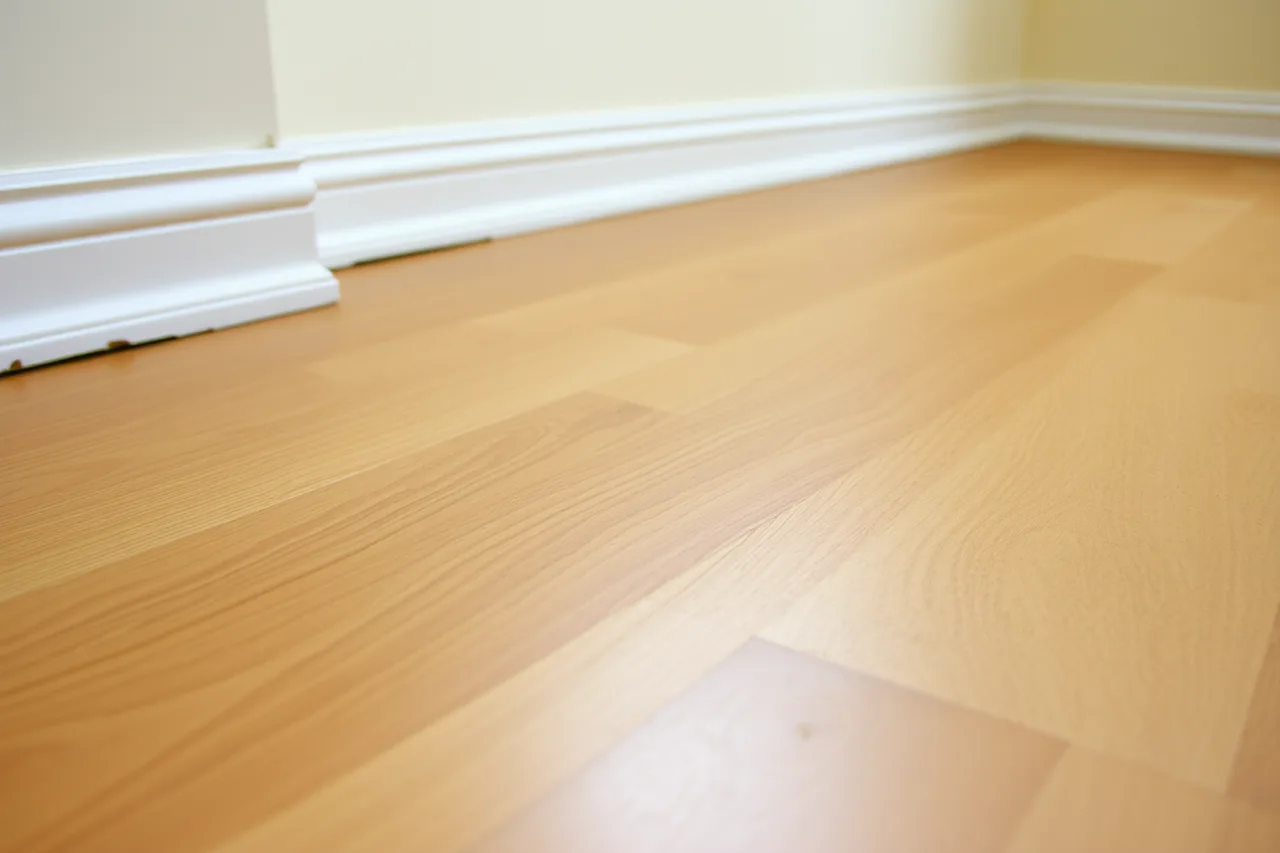
Solid hardwood takes on moisture and swells across the grain. In a humid summer, a 3/4 inch oak plank can gain width at every board, and the whole field pushes against the walls.
Installers who leave the manufacturer's expansion gap get a floor that breathes. Those who nail tight to the baseboard get cupping, buckling or a squeaky ridge down the middle of the room.
Engineered wood is more stable because the plywood core crosses grain directions, but it still responds to relative humidity. In dry winter air, gaps open between planks. In a wet spring, those gaps close and the floor can crown.
Acclimating the material in the room for several days before installation is the standard fix, and it is a line item you should bill for.
Tile is inorganic, so it does not swell. The danger is the substrate and the setting bed. Thinset and grout cure with water, and excess moisture trapped under a tile floor can debond the mortar or feed mold in the cavity.
That is why moisture control in the wall and floor assembly matters even on a job that looks dry on the surface.
Luxury vinyl plank is dimensionally stable compared with wood, but it is not immune. Most LVP has a rigid core that expands and contracts with temperature more than humidity. High humidity can still affect the adhesive in glue-down installations and can lift the edges of a floating floor if the subfloor is not dry.
Moisture testing belongs in every bid, regardless of region. A calcium chloride test or an in-situ probe reading tells you what the slab is doing. Skipping it is how a contractor eats a callback. The quality assurance checklist for a flooring business should start with that reading.
What humidity does to each product
Reaction to high humidity
- Solid hardwood
- Swelling, cupping, buckling
- Engineered wood
- Mild swelling, edge lift
- Tile
- No movement, substrate risk
- Luxury vinyl plank
- Edge lift, adhesive failure
Reaction to low humidity
- Solid hardwood
- Shrinkage, open gaps
- Engineered wood
- Gap formation at seams
- Tile
- No movement, grout shrinkage
- Luxury vinyl plank
- Minor contraction at seams
Installer response
- Solid hardwood
- Acclimate, wide expansion gaps, control indoor RH
- Engineered wood
- Acclimate, use floating or glue per spec
- Tile
- Moisture test slab, use membrane
- Luxury vinyl plank
- Flat subfloor, dry slab, temperature control
A short acclimation routine
- Stack material in the room at least 48 hours before installation, longer for solid wood in a wet season.
- Record indoor relative humidity and temperature at the start and end of acclimation.
- Test the slab for moisture and write the reading on the work order.
- Set expansion gaps to the manufacturer's spec, not to what looks neat.
- Photograph the gaps and the meter reading before you close up the room.
The numbers you record are your defense if a homeowner calls back in August. They also feed the service standards you write for your crew, so the next job follows the same steps.
Freeze-thaw effects on flooring in northern regions
Freeze-thaw effects are the northern installer's version of humidity. In Minneapolis, Chicago, Detroit and the upper Midwest, the ground freezes, thaws and freezes again through winter and early spring. That cycle moves water and it moves the slab.
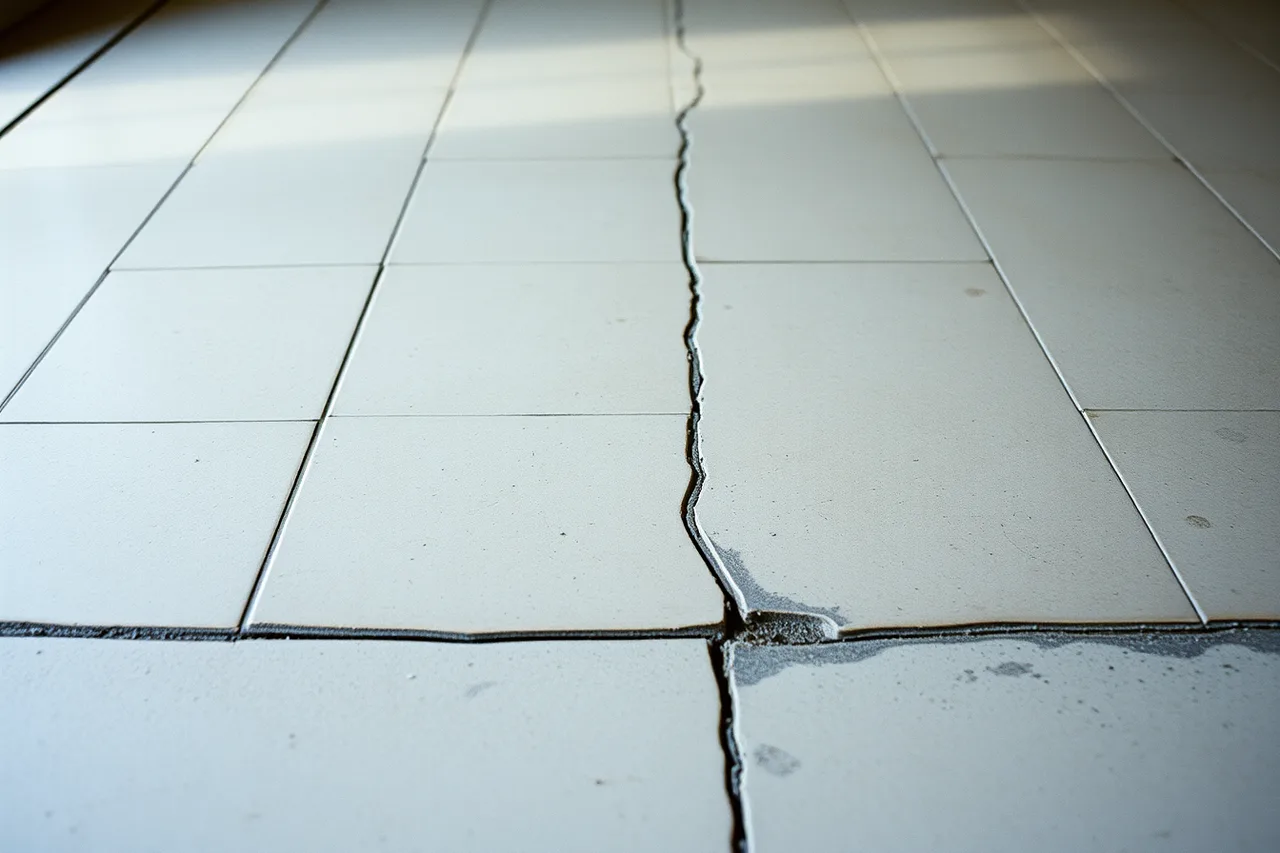
A concrete slab on grade in a freeze-thaw climate can crack as the soil beneath it heaves. Tile set directly on that slab cracks along the same line. A crack isolation membrane or an uncoupling membrane separates the tile from the slab movement, and it is worth pricing as a standard upgrade in these markets.
Wood flooring over a basement or crawl space faces a different problem. Warm indoor air meets a cold rim joist and condenses. That moisture sits under the floor and feeds cupping. A vapor retarder on the warm side of the assembly and proper crawl space venting handle most of it.
Garage slabs and three-season porches are the worst cases. They freeze, they thaw, and they stay cold for months. LVP rated for temperature swings is the practical choice there, and even then the manufacturer's temperature range governs. Below that range, the plank gets brittle and the locking tabs snap.
Adhesives have temperature limits too. Most flooring adhesives need the substrate and the room above roughly 50 to 65 degrees Fahrenheit during cure. A cold slab in February can leave a glue-down floor with no bond at all, even if the surface feels dry.
Winter scheduling notes
- Confirm the building is heated before delivery.
- Check slab temperature with an infrared thermometer, not your hand.
- Store adhesive indoors the night before.
- Allow extra cure time in unheated spaces.
- Document the indoor temperature at installation.
Northern jobs also run longer in winter. The flooring contractors in cold markets lean toward resilient products that tolerate temperature swings, which changes what you stock and how you bid.
Heat and flooring installation in the Southwest
Heat effects on flooring installation show up in Arizona, southern Nevada, inland California and west Texas. Summer attic temperatures and slab temperatures climb far above the indoor set point, and materials react before the air conditioning catches up.
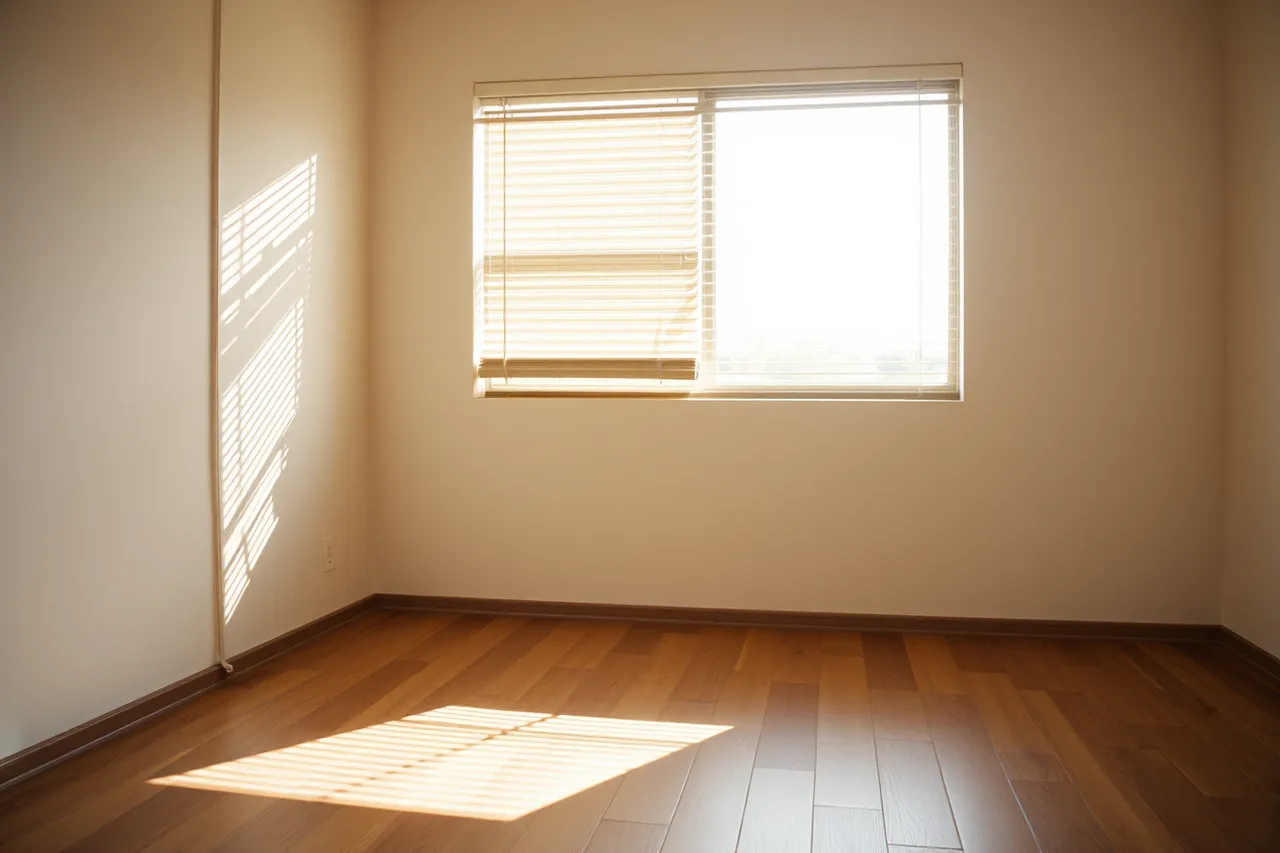
Luxury vinyl plank is the most heat-sensitive common product. A west-facing room with direct sun through a window can push surface temperature high enough to soften the plank and open seams. Manufacturers publish a maximum service temperature, and exceeding it voids the warranty. Window film, blinds or a different product in that room solves it.
Tile handles heat well, but the setting materials do not always. In a hot, dry climate, thinset can skin over before the tile is set, which produces a weak bond. Mix smaller batches and work in smaller sections. Grout can also dry too fast and crack, so damp curing or a grout additive helps.
Wood flooring in the desert is a dry-air story. Indoor relative humidity can drop into the teens in summer with the air conditioning running. Solid wood shrinks, gaps open, and a floor installed at 60 percent humidity in the warehouse will look wrong at 15 percent in the house.
Acclimation in the Southwest means acclimating to the dry indoor condition, not the outdoor one. Bring the material inside, let it sit with the HVAC running, and install at the moisture content the floor will actually live at.
Heat checklist for desert jobs
- Measure slab temperature before spreading adhesive.
- Confirm the product's maximum service temperature.
- Plan shade or film for west and south glass.
- Mix thinset in small batches.
- Acclimate wood to indoor, not outdoor, humidity.
Regional climate data from the NOAA climate program is a reasonable starting point when you want to know how many days a market spends above a given temperature. It will not replace a slab reading, but it helps you plan a season.
Gulf Coast humidity and flooring methods
Gulf Coast humidity is a year-round condition, not a season. Coastal Texas, Louisiana, Mississippi, Alabama and Florida run high dew points for most of the year, and the indoor air is often more humid than the outdoor air in a poorly sealed house.
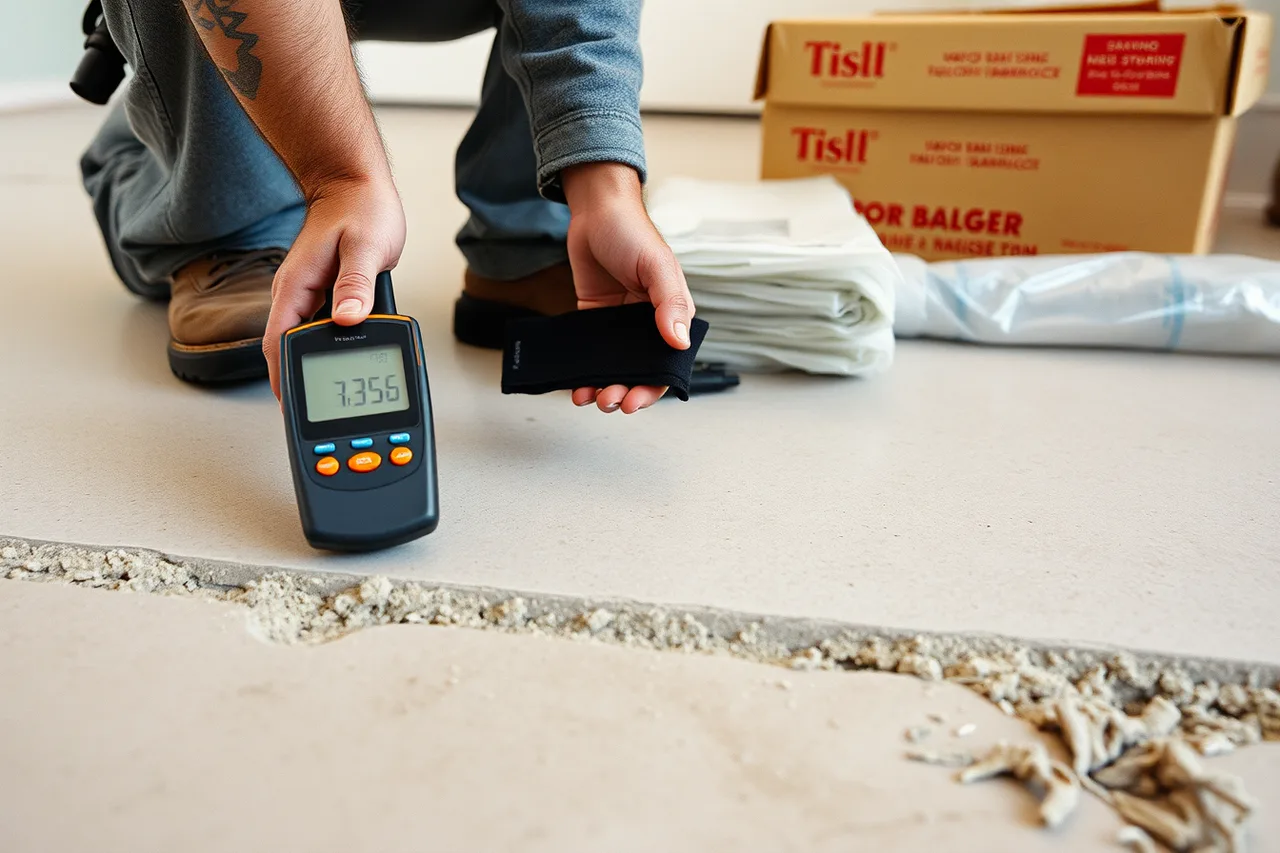
Moisture testing is not optional here. Slabs on grade in coastal markets wick water, and a floor installed over a wet slab fails. A vapor barrier under the slab, a surface membrane over it, or both, are common answers. The reading on the meter decides which.
Mold prevention is the other half. A floor that traps moisture between an impermeable surface and a damp slab creates a cavity where mold can grow. The mold in damp buildings guidance covers the moisture control principles that apply to flooring assemblies in these states, and it is worth reading before you bid a coastal job.
Wood flooring in Gulf Coast homes needs a tight building envelope and dehumidification. Solid wood is a hard sell in a house that sits empty for months in summer. Engineered wood and LVP are easier to warranty because they tolerate wider humidity swings.
Tile is popular in coastal markets for good reason. It does not feed mold, it does not swell, and it handles a wet room. The catch is the substrate and the grout. Use a membrane over a slab that shows moisture, and seal grout in wet areas.
Coastal bidding items
- Slab moisture test with a written result.
- Vapor barrier or membrane as a line item.
- Dehumidification during acclimation.
- Mold-resistant underlayment where specified.
- Clear warranty language about indoor humidity control.
State and local codes in coastal jurisdictions often add flood and moisture provisions. The ICC model codes that states and cities adopt set the baseline for those requirements, so check the local amendment before you promise a method.
Mountain and Plains climate considerations for Denver
Denver sits at the meeting point of the Mountain West and the High Plains, and that combination is unusual. The air is dry, the sun is strong, and the temperature swings hard between day and night.
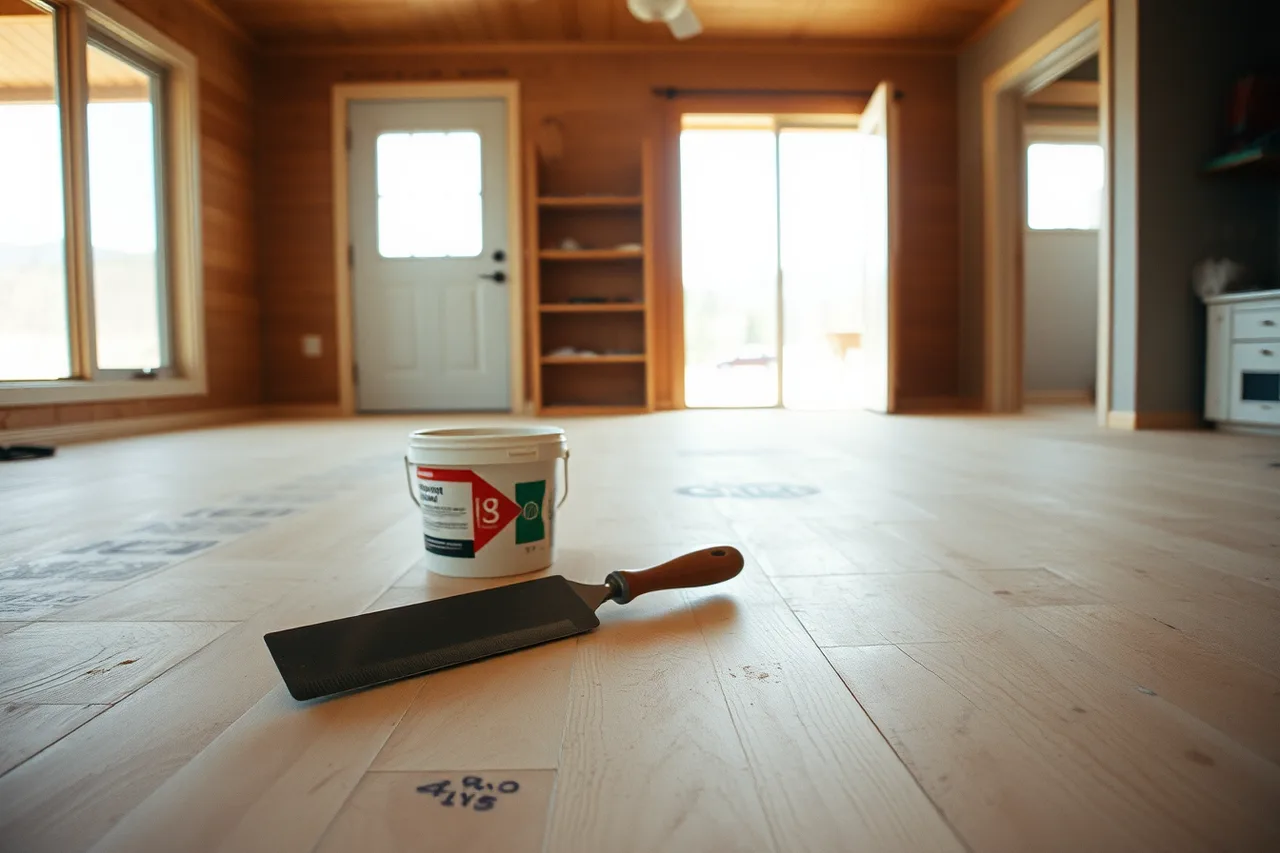
Low humidity means wood flooring dries and shrinks. Gaps open in winter, and a floor installed in a humid warehouse will gap once it settles into a dry house. Acclimate to the indoor condition and expect to leave slightly wider expansion gaps than a coastal installer would.
High altitude also changes adhesive behavior. Some adhesives cure faster and some solvents flash off sooner. Read the technical data sheet for altitude guidance, and do not assume a product behaves the same at 5,280 feet as it does at sea level.
The freeze-thaw pattern on the Front Range is milder than Minneapolis but real. Slabs move, and tile over a control joint needs a membrane. Grading and drainage around the foundation matter because snowmelt has to go somewhere.
Sun exposure is the Denver wildcard. South and west windows drive surface temperatures on LVP and on dark tile. The same plank that performs in a shaded room can fail in a sunroom. Match the product to the room, not just to the house.
Denver example: bidding a 1,200 square foot main floor
A contractor in Denver is bidding a 1,200 square foot main floor in an existing ranch house. The plan is engineered wood in the living areas and tile in two bathrooms.
The bid includes slab moisture testing at two points, 48 hours of acclimation with the furnace running, a crack isolation membrane in both bathrooms, and a sun-control note for the west-facing living room. Material is engineered wood because solid wood would gap in the dry winter air.
The estimate carries a climate line item of roughly 8 percent of labor to cover testing, membrane and extended acclimation. That line item is what separates a bid that holds from a bid that loses money on a callback. It is also the kind of detail that belongs in your pricing and profit model.
Comparing installation methods across seven U.S. regions
Seven U.S. regions cover most of the climate problems a flooring contractor will meet. The table below compares the dominant risk and the usual installation response in each.
| Region | Example market | Dominant climate risk | Usual method response |
|---|---|---|---|
| Northeast | New York | Freeze-thaw, winter dryness | Membrane over slab, humidity control |
| Midwest | Minneapolis, Chicago | Freeze-thaw, seasonal humidity swing | Crack isolation, heated-space cure |
| South | Georgia | High humidity, mild winter | Vapor barrier, dehumidification |
| Gulf Coast | Coastal Texas, Florida | Year-round humidity, wet slabs | Moisture testing, mold prevention |
| Southwest | Arizona, inland California | Extreme heat, dry air | Heat-rated products, shade, small batches |
| Mountain West | Denver | Dry air, altitude, strong sun | Acclimate indoors, altitude-rated adhesive |
| West Coast | California | Mixed, coastal fog to inland heat | Site-specific testing |
The regions differ in more than weather. Labor rates, licensing and permit rules vary by state, and the state contractor licensing board in each market sets who can pull the work. That affects your bid as much as the climate does.
Product choice follows the region. Solid wood sells in the Northeast and Midwest, where basements and forced-air heat are common. Tile dominates Florida and the Gulf Coast. LVP has grown everywhere because it tolerates swings, but it is not the right answer in a sun-blasted desert room.
Standards work sits behind all of this. Research on building performance and materials from the NIST buildings and construction program informs the test methods that manufacturers cite on their data sheets. When a spec sheet gives a humidity or temperature range, that range came from testing, not marketing.
If you work in more than one region, you are effectively running more than one business. The markets for flooring contractor work differs by climate, and so does the crew skill you need to hire.
Adjusting bids for regional climate conditions
A bid that ignores climate is a bid that assumes the floor will behave. It will not. The fix is to make climate a visible line item so the customer sees what they are paying for.
Start with a moisture and temperature reading on every estimate. Write the number on the proposal. It justifies the membrane, the vapor barrier or the extended acclimation you are about to charge for.
Then price the climate items separately. Testing, membrane, dehumidification, extended acclimation and heat mitigation each carry a cost. Bundling them into labor hides the value and makes you look expensive when a competitor skips them.
Use the same language in every market. A customer in Minneapolis and a customer in Tampa should both see the same line items, with different amounts. That consistency is part of your documented procedures and it protects you when a warranty claim comes in.
Finally, build a climate note into the warranty. Tell the customer what indoor humidity range the floor needs and what happens if the house sits at 80 percent for a summer. That single paragraph prevents more disputes than any other document you hand over.
Worked example: same house, two climates
Take the same 1,000 square foot house with LVP throughout. In Minneapolis, the bid carries a crack isolation membrane over the basement slab and a note that the space must be heated during cure. In Tampa, the bid carries a vapor barrier, a slab moisture test and a dehumidifier on site during acclimation.
Material cost is identical. The climate line items differ by several hundred dollars. The Minneapolis job risks a cold-cure failure. The Tampa job risks a moisture failure. Both risks are priced, and both are documented.
That is the whole method. Read the climate, test the site, name the risk, and charge for the fix. Everything else in a flooring guide is detail around that habit.