Guides
What the SBA offers U.S. flooring contractors, loans and programs
Flooring contractor business operations can use SBA 7(a), 504, and microloans, plus surety bonds and certifications, to fund equipment and growth.
A school contract creates the test case
An established flooring contractor is preparing a bid for public school flooring work. It needs a ride-on scraper for larger removal jobs and cash to cover payroll through a slow winter. The owner treats financing and contract readiness as separate questions, then checks each against the actual job and purchase.
The contractor first identifies what is known and what still needs verification. The scraper and winter payroll are distinct funding needs, while the school solicitation determines whether bonds are required. The owner does not assume one SBA program handles both financing and contract eligibility, or that every loan fits every purchase.
The first check separates equipment from operating cash
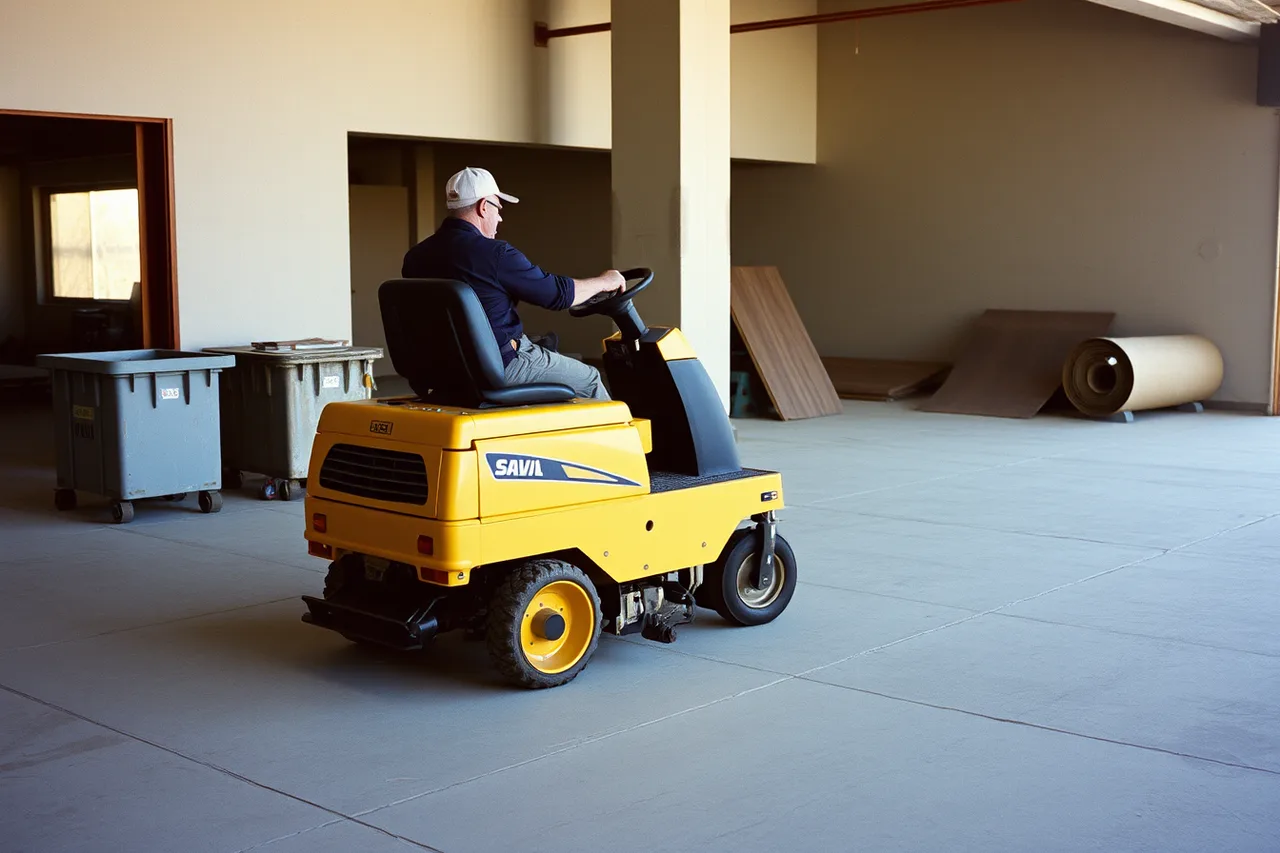
For a scraper and working capital, the owner compares the 7(a) option. It can fund equipment and working capital, among other eligible purposes, with a maximum loan amount of $5 million.
The SBA backs part of the loan, which can reduce lender risk. The owner reviews current 7(a) loan terms with lenders.
Before settling on the equipment request, the contractor uses an equipment setup guide to define the purchase. Working-capital maturities can extend to 10 years, while equipment and real estate terms can reach 25 years. Most 7(a) loans have variable rates tied to prime; some loans below $350,000 have a fixed-rate option.
Rates are negotiated with the lender and capped by the SBA. The firm must operate for profit in the United States and meet SBA size standards; flooring contractors typically fall under the $16.5 million average annual receipts threshold for specialty trade contractors. The lender may consider equipment, vehicles, or real estate as collateral, and may still require a personal-asset pledge if collateral is insufficient.
To make the request concrete, the owner prepares a business plan with the market, revenue model, and intended use of funds. Financial statements and a credible account of the business's finances help support the application. An equipment checklist and a review of equipment costs help pin down the purchase.
A different asset would change the comparison
The owner then checks whether the project includes an owner-occupied facility or heavy equipment, rather than only a scraper and payroll.
If it does, a 504 loan merits comparison because it is designed for fixed assets, including eligible commercial real estate and heavy equipment. The owner compares the project costs before choosing between financing routes.
A 504 loan combines a private lender with a certified development company, or CDC. The private lender supplies 50% of project cost, while the owner's down payment is typically 10%. The CDC takes a second-lien position supported by a 10- or 20-year SBA-backed debenture, a structure that can preserve cash for operations.
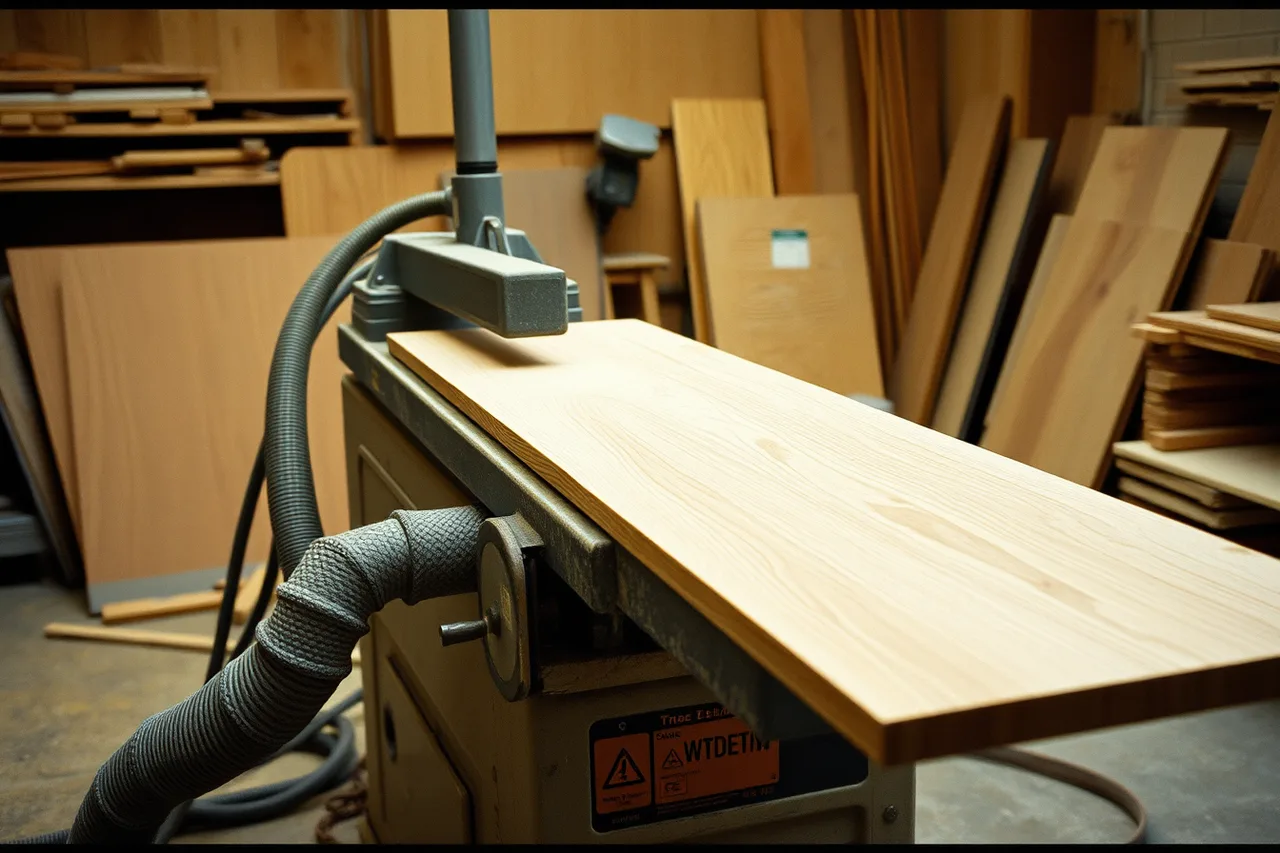
For this route, the firm would need tangible net worth under $15 million, operate for profit in the United States, and occupy at least 51% of financed property. The CDC portion can reach $5.5 million. Real-estate terms are 20 years and equipment terms are 10 years; eligible existing-asset debt may be refinanced. The owner also reviews startup costs and funding.
The CDC portion has a fixed rate based on current market rates for five-year and 10-year Treasury issues. The private lender's rate is negotiated separately and can be fixed or variable. There are no prepayment penalties on the SBA portion after the first few years, a detail the owner includes when comparing the options.
The smaller request gets its own test
The contractor also checks the microloan program, but treats it as a possible fit for a smaller, defined need. Microloans of up to $50,000 serve startups, newly established firms, and borrowers seeking a modest amount. The owner does not assume that this route can cover every purchase or project.
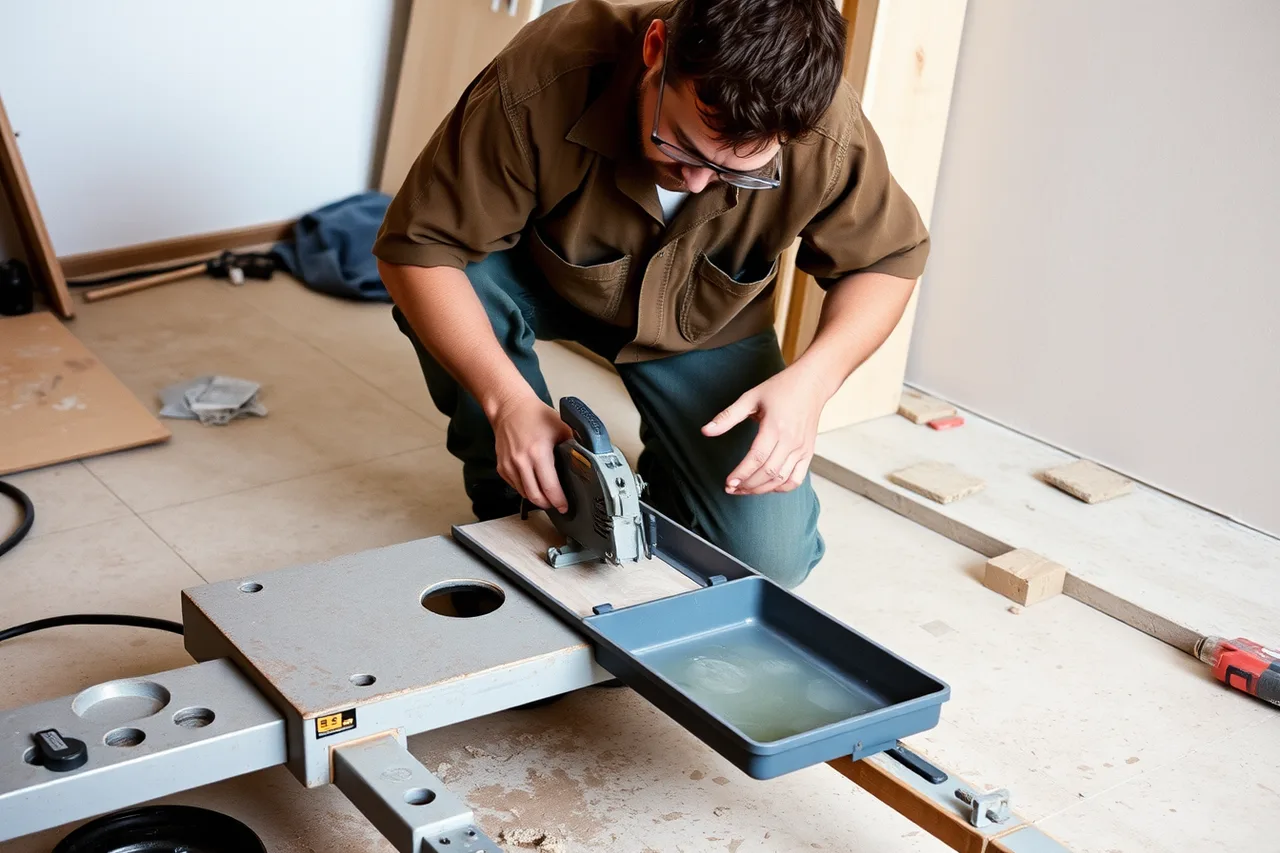
For a new solo installer, eligible uses could include hand tools, a used van, insurance, a website, a tile saw, a floor nailer, a moisture meter, or a trailer. Microloans cannot fund real estate or debt consolidation. Nonprofit intermediaries make the loans and can provide training and technical assistance in pricing, cash flow, and recordkeeping.
Terms can extend to six years, and rates generally range from 8% to 13%. Some intermediaries require a short business course before disbursement, and credit and collateral requirements vary. The owner compares the amount needed with the program's limits rather than treating the microloan as a substitute for larger equipment or property financing.
The solicitation decides the contract-side checks
Before submitting the school bid, the contractor checks its solicitation for bond requirements. A surety bond is an agreement among the contractor, project owner, and surety company; if the contractor fails to perform, the surety pays the owner up to the bond amount.
SBA support may help a small firm unable to obtain a bond in the open market.
The Surety Bond Guarantee Program works through participating surety companies, with the SBA backing a percentage of a bond. A bid bond confirms the contractor will enter the contract if selected; performance and payment bonds address completion and payments to suppliers and subcontractors. Public jobs may require all three, so the owner checks the project documents instead of assuming.
To qualify, the contractor must meet SBA small-business size standards and provide financial statements and a history of completing similar work. The surety still reviews credit and capacity. SBA backing can apply to bonds up to $6.5 million, or $10 million under certain conditions, and the owner contacts a surety agent familiar with the program.
The owner separately checks whether a certification fits the firm. The 8(a) Business Development program serves socially and economically disadvantaged individuals and includes a nine-year development period, counseling, and access to set-aside contracts; sole-source awards may be available up to applicable limits. The owner checks the 8(a) program details.
The Women-Owned Small Business program supports eligible women-owned firms competing in industries where women are underrepresented. HUBZone eligibility depends on the business's location in a historically underutilized business zone. The Service-Disabled Veteran-Owned Small Business program supports qualifying firms and set-aside opportunities at the Department of Veterans Affairs and other agencies.
Certification applications require proof of ownership, control, and size, along with tax returns, financial statements, and proof of citizenship or status. Processing can take several months, and businesses must maintain eligibility and recertify annually. Before linking growth plans to public work, the owner reviews an expansion and market guide.
The owner prepares records before approaching lenders
With the financing and contract questions separated, the owner gets help refining the plan and financial projections. SCORE and Small Business Development Centers offer one-to-one help with business plans, financial statements, and loan requirements. The contractor also checks free counseling resources and a startup and market guide.
The owner uses Lender Match, a free SBA tool that connects businesses with SBA-approved lenders. After answering questions about the business and financing need, the owner may receive emails from interested lenders within two business days. There is no obligation to accept an offer, and applicants can compare lenders for a 7(a) or 504 request.
Before using the tool, the contractor gathers two years of tax returns, a current balance sheet, a profit and loss statement, a personal financial statement, and a business plan. A resume, collateral list, registration and licensing proof, and a clear explanation of the intended use of funds can also support the request. Lenders may check personal credit.
Rules carried from this decision
The owner's sequence is to define each use of money, match the asset and amount to a program, check the solicitation for bonding, and verify whether a certification applies.
Then the firm prepares its records and compares lenders. A loan choice and a contract-eligibility check solve different problems, so neither replaces the other.
| Need checked in the scenario | Option compared | Condition or limit found |
|---|---|---|
| Equipment or working capital | 7(a) | Up to $5 million; terms depend on use |
| Owner-occupied property or heavy equipment | 504 | Fixed CDC portion; occupancy requirements apply |
| Modest startup tools and costs | Microloan | Up to $50,000; not for real estate or debt consolidation |
| Bonds required by public work | Surety Bond Guarantee Program | Small-business eligibility and surety review apply |
The owner also keeps several practical limits in view. A lender may commonly look for a credit score of at least 680, although some accept lower scores when other factors are strong. A clear plan or available collateral can help address weaker credit; the owner treats these as lender considerations, not a promise of approval.
A 504 loan is meant for fixed assets with a useful life of at least 10 years; a used truck may qualify if it meets that condition, though 7(a) is often simpler. Microloan approval may take a few weeks to a couple of months, depending on the intermediary, and some make same-day decisions for small amounts.
For the school bid, the final check remains the solicitation: many districts require bid, performance, and payment bonds. SBA backing may cover part of a bond when the contractor qualifies. The contractor therefore checks the project requirements, funding need, and eligibility separately before committing to a purchase or submitting its bid.