Guides
Flooring Contractor Equipment Checklist for Crews
Use this flooring contractor equipment checklist to sort the tools, safety gear, and consumables crews need on each job, plus what to check at load-out.
What to take away
- Use this flooring contractor equipment checklist to build three lists, not one: what leaves with every crew, what is added for a specific job type, and what stays in the shop.
- The items that stop a day are almost never machines. They are blades, fasteners, trowel notches and adhesive.
- Meters and a straightedge ride in the van on every job, including the ones you are certain about.
- Check the kit at load-out, not at the customer's door. A supply run costs a crew hour and the customer's confidence.
List one: the kit that goes on every job
- Moisture meter for wood, and the concrete test kit for the method your product instructions name.
- Long straightedge and a way to record the gap you measure.
- Tape measures, chalk line, square, pencils and a marker that writes on dusty subfloor.
- Utility knives with a full box of blades, plus hook blades for resilient sheet.
- Undercut saw, jamb chisel, pry bar and a nail puller.
- Pull bar, tapping block, spacers and shims.
- Knee pads that the crew will actually wear, plus safety glasses, hearing protection and gloves.
- Respiratory protection appropriate to the work, with the correct filters in date.
- Vacuum, broom, dustpan and rosin paper or protective film for adjacent floors.
- First aid kit, fire extinguisher, and the job file with the readings form.
- Extension cords in good condition, plus a work light for closets and stairs.
List two: added by job type
| Job type | Added to the van | Why it matters |
|---|---|---|
| Resilient plank | Track or table saw, tapping block, transition profiles | Clean end cuts and tight seams |
| Sheet vinyl | Hook blades, seam roller, welding equipment per the method | Seams are where sheet goods fail |
| Carpet | Knee kicker, power stretcher, seaming iron, tack strip | A carpet that is not stretched will ripple |
| Hardwood | Flooring nailer, cleats or staples, moisture meter, undercut saw | Fastening schedule and acclimation govern the result |
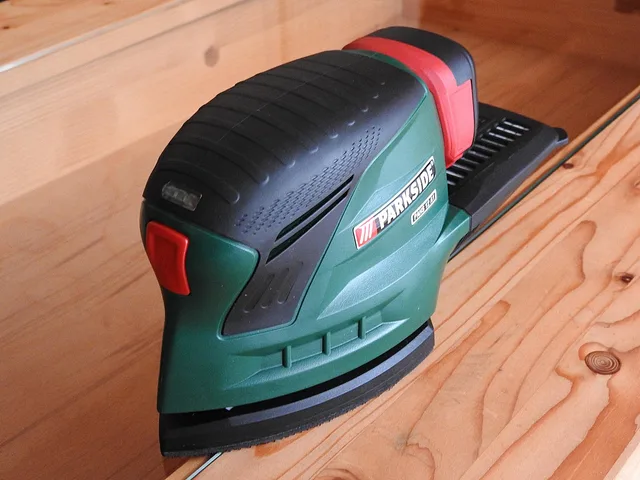
| Sand and refinish | Abrasive sequence, edger, dust containment, coatings | Dust control and the abrasive order decide the finish |
| Tile | Mixing equipment, notched trowels, spacers, leveling system | Trowel notch and coverage decide bond |
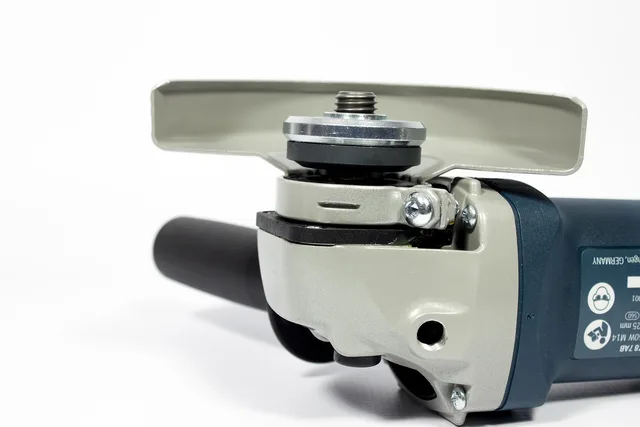
| Preparation | Grinder with tooling, dust extraction, patch and leveler, scraper | The billable line that saves a bad slab |
List three: the consumables that quietly stop a day
Adhesive in the wrong quantity, the wrong trowel notch, fasteners of the wrong length, transition profiles nobody counted at the measure, and blades that were dull two jobs ago. Keep a reorder threshold on each and check it at load-out.
Count transitions and thresholds at the measure and write them on the order. Openings are the most commonly missed item in a takeoff, and a crew that finishes the field and cannot finish the doorways has not finished the job.
Safety items are equipment, not paperwork
Dust extraction for concrete work, ventilation for adhesives, and a rule that suspect old resilient tile or black cutback adhesive in an older building is tested rather than disturbed.
Attach a control to each machine on your list, the practical version of the hazard-first program in the OSHA recommended practices for safety and health programs. Where crews work in unfinished houses around stairwells and floor openings, the OSHA guidance on fall protection in residential construction applies to them as much as to the framers.
Keeping the list current
Review the three lists monthly against what crews actually asked for, and record consumable purchases against the job that used them. A recordkeeping system that clearly shows expenses with documents behind them, as the Internal Revenue Service sets out for business records, tells you whether your consumable cost per crew day is drifting.
Four companion pieces carry the parts this checklist leaves out. The buying order and shop layout sit in the equipment and setup guide, and the training that makes tools safe is in the hiring and training guide.
The registrations and certificates are covered in the licensing and compliance guide, and tool and consumable cost enters a quote in the pricing and profit guide. Where the kit meets the customer is handled in the marketing and growth guide, because a clean van and protected hallways are part of what people tell their neighbors.
Common questions
How much should a new owner spend on hand tools?
Enough that nothing on list one is missing or worn out. Hand tools are the cheapest part of the operation and the most common cause of a lost hour.
Should each installer own their tools?
Practice varies, and the answer changes your employment and tax position. Whatever you choose, the meters, dust extraction and safety equipment should belong to the business so that their condition is your responsibility.
What belongs in the shop rather than the van?
Bulk consumables, spare machines, material that is conditioning, and the service log. Anything that would be replaced same day after a theft can live in the van.
How often do blades really need changing?
Sooner than most crews change them. A dull blade tears resilient material and pushes an installer to force a cut, which is where hand injuries come from.