Guides
Flooring installer bid pricing in Dallas, Phoenix and Atlanta
Flooring installer bid pricing in Dallas, Phoenix and Atlanta compared using U.S. Census Bureau permit data, labor rates, material costs and bid formats.
What to take away
- Flooring installer bid pricing in Dallas, Phoenix and Atlanta differs mainly because of labor supply, material logistics and climate-driven installation methods.
- Dallas bids run lower on labor but face volatile material freight; Phoenix bids carry heat-related scheduling and adhesive costs; Atlanta bids sit between the two with steadier residential demand.
- U.S. Census Bureau building permit data shows all three metros among the fastest-growing in the country, which keeps bid volume high but compresses margins if you do not track local rates.
- General contractor bid formats in these markets favor line-item breakdowns with separate labor, material and disposal lines, not lump sums.
- Your bid should change with local demandPhoenix and Atlanta need heat clauses, Dallas needs storm-season scheduling language, and all three need clear payment terms under the FLSA.
How U.S. Census Bureau building permit data frames these three metros
U.S. Census Bureau building permit data is the first place to look when you set flooring installer bid pricing in a new metro. The bureau publishes monthly permit counts for new residential construction, and those numbers tell you how much new floor area is entering the market.
More permits mean more builder contracts, but they also mean more competition from installers chasing the same jobs.
In Dallas, Phoenix and Atlanta, permit activity has stayed above the national average for years. That matters because new construction bids are usually priced per square foot with a builder discount, while renovation bids are priced per room or per hour. If you mix the two without checking permit data, you will underbid remodel work and overbid builder work.
The data also shows seasonality. Phoenix permits slow in midsummer, Dallas slows after spring storms, and Atlanta slows in late winter. You can use those patterns to schedule crews and to decide when to hold firm on price. For a deeper look at how pay rates and labor costs move with demand, see pay rates and labor costs.
One caution: permit data counts units, not square footage. A metro can show strong permit growth with smaller homes, which lowers average flooring square footage per job. Always pair permit counts with local MLS data or builder interviews before you commit to a bid price.
Flooring installer bid pricing in Dallas
Dallas flooring labor rates are among the lowest of the three metros, but material costs can swing because much of the supply moves by truck from out of state. In Dallas, a standard carpet installation bid often runs lower per square foot than in Phoenix or Atlanta, while luxury vinyl plank (LVP) bids are closer to the middle.
Labor rates in Dallas for a lead installer typically range from the mid to high twenties per hour, with helpers lower.
Overtime is common during builder rush periods, and the FLSA requires time and a half after 40 hours in a workweek for non-exempt employees. That rule applies whether the crew is on a builder site or a homeowner's property.
The U.S. Department of Labor explains the standard in Wages and the Fair Labor Standards Act.
Material costs in Dallas for LVP often land in the low to mid three dollars per square foot for mid-grade products, with underlayment and trim extra. Tile ranges widely by format and finish. Carpet tile and broadloom depend on freight surcharges, which spike when fuel prices rise.
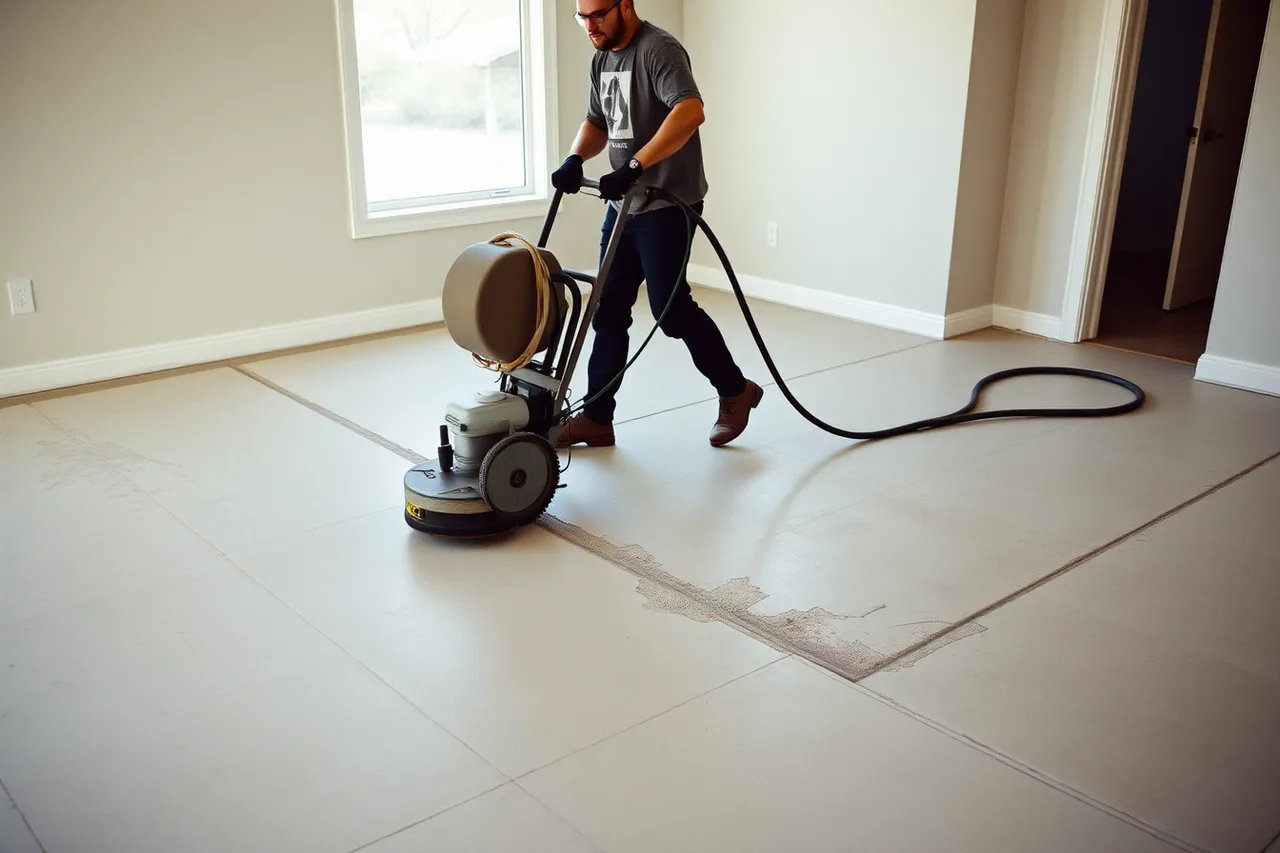
Dallas bids should include a line for subfloor prep. Many slab-on-grade homes in the metro need grinding or patching, and that work is often excluded from low bids. If you leave it out, you will absorb the cost.
A worked example helps. Suppose a Dallas builder asks for 1,200 square feet of LVP in a new home. Your material cost at $2.80 per square foot is $3,360. Labor at 35 cents per square foot for install and 15 cents for prep is $600.
Add disposal, trim and a 15 percent overhead and profit margin. Your bid lands near $4,900, or about $4.08 per square foot.
That number only holds if the slab is flat and the schedule is firm. If the builder pushes the start date, add a rescheduling clause. For a full pricing structure, see the pricing and profit guide.
Flooring installer bid pricing in Phoenix
Phoenix flooring material costs are shaped by extreme heat and by the dominance of tile and stone. Adhesives, mortars and grouts must be rated for high temperatures, and those products cost more than standard versions. Tile is also heavy, so freight and handling add to material costs.
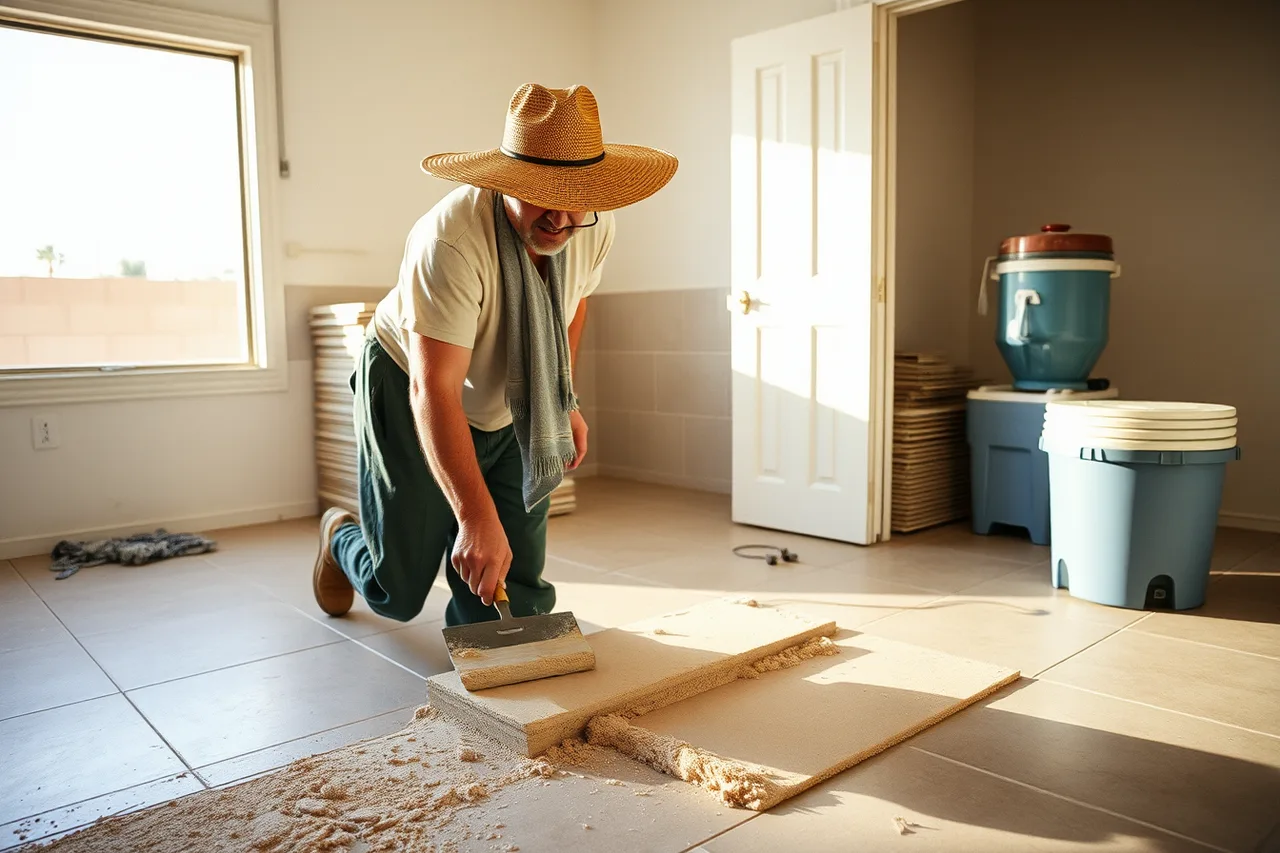
Labor rates in Phoenix are close to Dallas for helpers but higher for tile setters, because the skill demand is greater. A lead tile setter in Phoenix often earns in the low thirties per hour, with helpers in the high teens to low twenties. Overtime rules under the FLSA still apply, and heat rules add another layer.
OSHA heat illness rules affect flooring installers in Phoenix and Atlanta, especially during summer. Employers must provide water, rest and shade, and they must train workers on heat illness signs.
Those requirements change scheduling: crews may start at dawn and stop by early afternoon. The rules are outlined in Heat - Overview: Working in Outdoor and Indoor Heat Environments.
Material costs in Phoenix for porcelain tile often run from the low twos to the high single digits per square foot, depending on origin and finish. Setting materials add roughly a dollar to two dollars per square foot. LVP is less common in high-end Phoenix homes but is growing in rentals.
NOAA climate data shows Phoenix with some of the highest summer temperatures in the country, and that affects installation methods and material costs. Adhesive open time shortens, and some products cannot be installed above certain temperatures. You can review regional patterns through Climate | National Oceanic and Atmospheric Administration.
A Phoenix bid for 800 square feet of porcelain tile starts with material. Tile at $4.00 per square foot is $3,200. Setting materials at $1.50 per square foot is $1,200. Labor at $3.50 per square foot is $2,800.
Disposal and margin bring the bid near $8,600, or about $10.75 per square foot. Heat clauses and early starts are built into that labor number.
Flooring installer bid pricing in Atlanta
Atlanta flooring contractor bids reflect a market with strong residential renovation and many independent installers. Labor rates in Atlanta sit between Dallas and Phoenix for most product categories, with hardwood installers earning a premium because the region has a large hardwood market.
Material costs in Atlanta for hardwood often range from the mid threes to the high single digits per square foot for solid and engineered products. LVP and carpet are widely available, and local distributors keep freight costs lower than in Phoenix.
Tile is common in bathrooms and kitchens, with mid-grade porcelain in the low to mid threes per square foot.
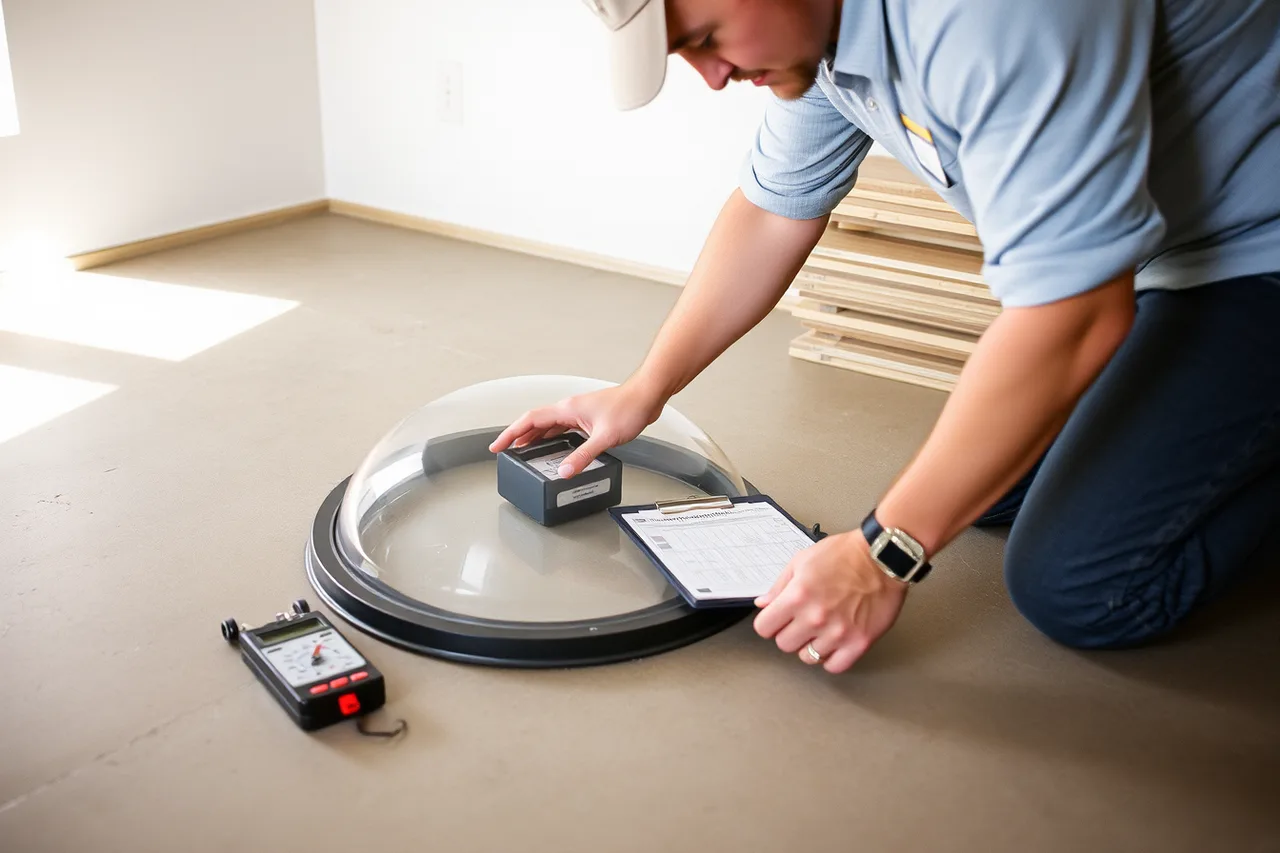
Atlanta bids often include moisture testing for concrete slabs, because the region's humidity can cause failures. That test adds a small line item but protects you from callbacks. If you skip it, you may pay for a tear-out later.
OSHA heat rules apply in Atlanta during summer, though the season is shorter than in Phoenix. Crews still need water and rest breaks, and scheduling around afternoon thunderstorms is common. Those delays should be priced into your bid as a weather contingency.
A sample Atlanta bid for 1,000 square feet of engineered hardwood: material at $5.00 per square foot is $5,000; labor at $3.00 per square foot is $3,000; moisture testing and prep at $400; disposal at $150. With 15 percent margin, the bid is about $9,800, or $9.80 per square foot.
For a bid template that matches this format, see the quote template.
Comparing labor rates and material costs across the three
The table below compares typical ranges for labor rates and material costs in Dallas, Phoenix and Atlanta. These are planning ranges, not quotes. Actual bids depend on product, crew skill and schedule.
Comparing labor rates and material costs
Dallas
- Lead installer hourly rate
- $24 to $29
- Helper hourly rate
- $15 to $19
- LVP material per sq ft
- $2.20 to $3.50
- Tile material per sq ft
- $1.80 to $6.00
- Hardwood material per sq ft
- $3.50 to $7.00
- Typical install labor per sq ft
- $0.35 to $0.60
Phoenix
- Lead installer hourly rate
- $26 to $33
- Helper hourly rate
- $16 to $21
- LVP material per sq ft
- $2.50 to $3.80
- Tile material per sq ft
- $2.00 to $8.00
- Hardwood material per sq ft
- $4.00 to $8.00
- Typical install labor per sq ft
- $0.50 to $1.00
Atlanta
- Lead installer hourly rate
- $25 to $31
- Helper hourly rate
- $15 to $20
- LVP material per sq ft
- $2.30 to $3.60
- Tile material per sq ft
- $1.90 to $6.50
- Hardwood material per sq ft
- $3.50 to $8.50
- Typical install labor per sq ft
- $0.40 to $0.75
Dallas has the lowest labor rates but the highest freight volatility. Phoenix has the highest tile labor and material costs because of heat-rated products. Atlanta sits in the middle, with hardwood premiums and moisture testing costs.
Your overhead and profit margin should be similar across metros, but your risk premium should not. Phoenix bids need a heat contingency, Dallas bids need a storm-season clause, and Atlanta bids need a humidity clause. Those clauses protect your margin without raising your base price.
If you are deciding where to expand, review which markets for flooring contractor businesses tend to do best. Permit data, labor supply and climate all point to different trade-offs in each metro.
General contractor bid formats in fast-growth metros
General contractor bid formats in Dallas, Phoenix and Atlanta share several features. Most general contractors want a line-item breakdown, not a lump sum. They want separate lines for labor, material, disposal, prep and any special conditions. They also want a clear scope statement that says what is excluded.
A typical format includes a cover page with your license and insurance, a scope of work, a line-item price table, a schedule, and payment terms. Some contractors use AIA-style documents, while others use their own templates. In fast-growth metros, the format is often dictated by the builder's accounting system, so ask for their template before you price.
Payment terms matter. Many builders pay on a 30-day cycle after completion, and some hold retainage. You should state your terms clearly and include a late fee. Under the FLSA, you must pay your installers on their regular payday regardless of when the builder pays you.
Numbered steps for building a bid that fits these formats:
General contractor bid formats
- Request the builder's bid template and scope requirements in writing.
- Measure the actual floor area and note substrate conditions.
- Price labor using local rates, not your home-market rates.
- Price materials with current supplier quotes and freight.
- Add line items for prep, disposal and contingencies.
- Apply overhead and profit, then review against local market ranges.
- Submit the bid with a clear expiration date and payment terms.
A checklist for bid review before submission:
- Scope matches the builder's template exactly.
- Labor rates reflect the local metro, not another city.
- Material costs include freight and current supplier pricing.
- Heat, storm or humidity clauses are included where needed.
- Payment terms and late fees are stated.
- Insurance and license copies are attached.
- Bid expiration date is clear.
Tracking your bid win rate and margin by metro helps you adjust. The kpis owners should track article covers the numbers that matter most.
Adjusting your bid pricing for local demand
Local demand changes your bid pricing more than any national average. When permit activity is high, builders push for faster schedules and lower prices. When activity slows, remodel demand holds steadier and homeowners pay more for quality. You should adjust your pricing strategy by metro and by season.
In Dallas, demand from builders is strong, but so is competition. Hold your labor rate and compete on reliability and prep quality. In Phoenix, demand for tile is steady, but summer heat limits production. Price heat delays into the job.
In Atlanta, renovation demand is strong, and hardwood skills command a premium. Price moisture testing and humidity controls into every bid.
You should also watch material lead times. In fast-growth metros, tile and hardwood can be backordered, and delays cost you money. Add a lead-time clause to your bids so you are not liable for supplier delays.
Finally, review your bids monthly against actual costs. If your margin is slipping in one metro, adjust your rates or your scope. Permit data, labor rates and material costs all move, and your bid pricing should move with them.